Discover how TRANSFORM created sustainable pathways to mental health care in Korail
Mental health recognized as treatable medical conditions
Community-informed training refined through practice
Local providers equipped to identify serious disorders
Strengthened referrals increased access to psychiatric care
Widespread awareness efforts across Korail communities
Earlier help-seeking and open community dialogue
In Korail, mental illness was once seen as a curse or spiritual possession—something shameful to hide. Families kept their loved ones isolated, seeking help from faith healers rather than medical professionals. TRANSFORM shifted this narrative by engaging trusted community voices to reshape perceptions.
Through culturally sensitive dialogue and education, community members learned that mental health disorders are medical conditions—treatable, manageable, and nothing to be ashamed of. This fundamental shift in understanding opened doors that were previously closed by fear and misunderstanding.
.jpg)
.JPG)
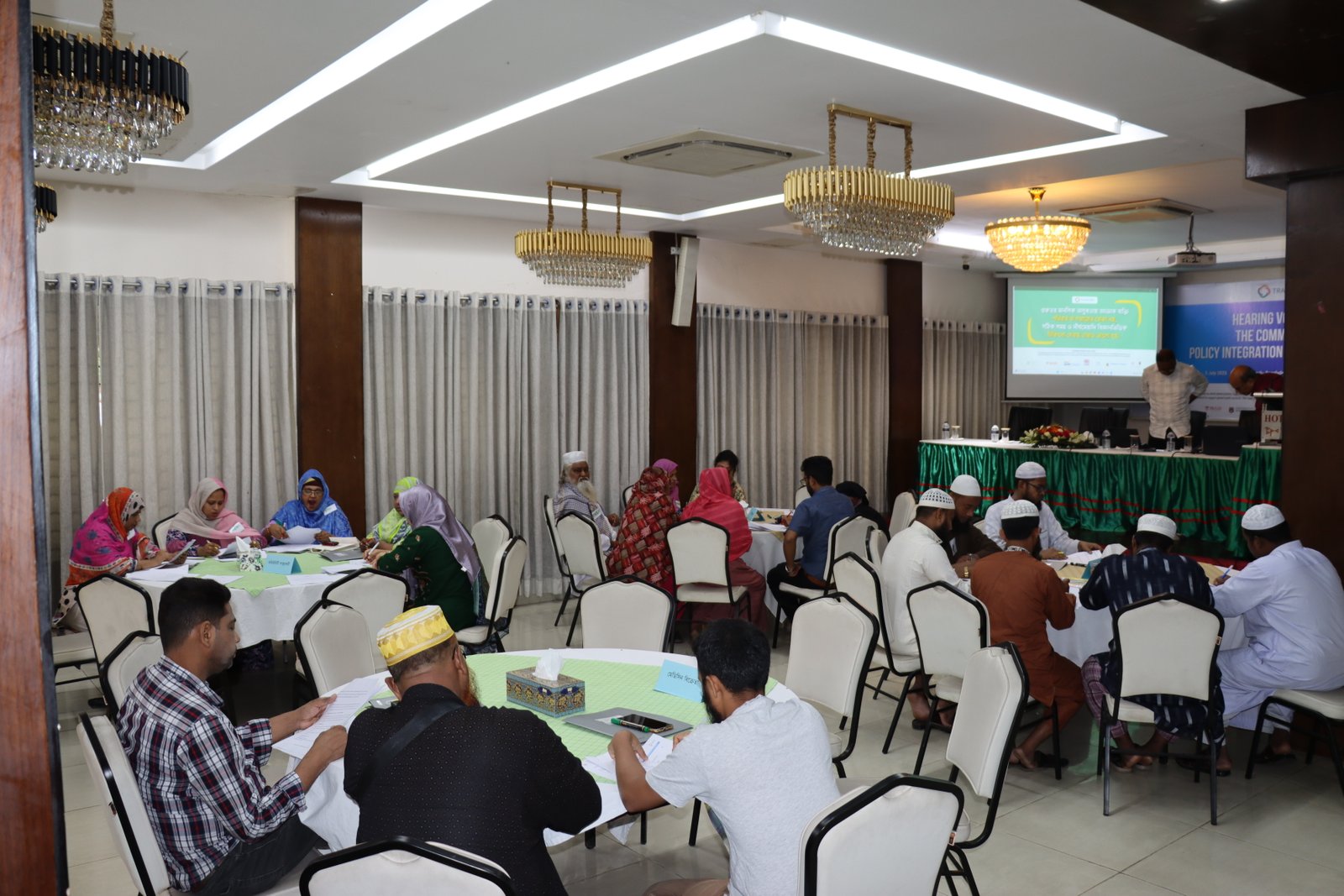
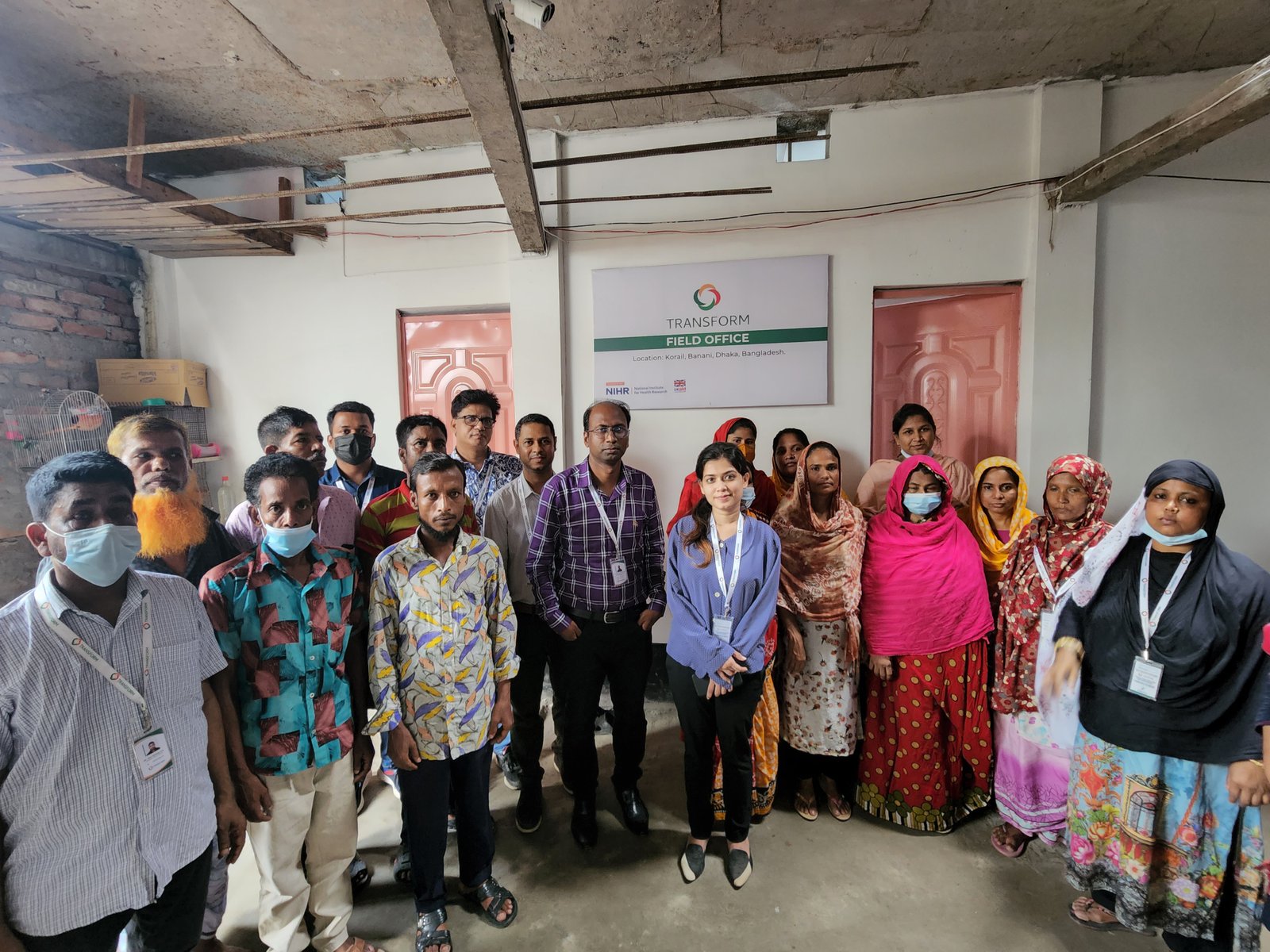
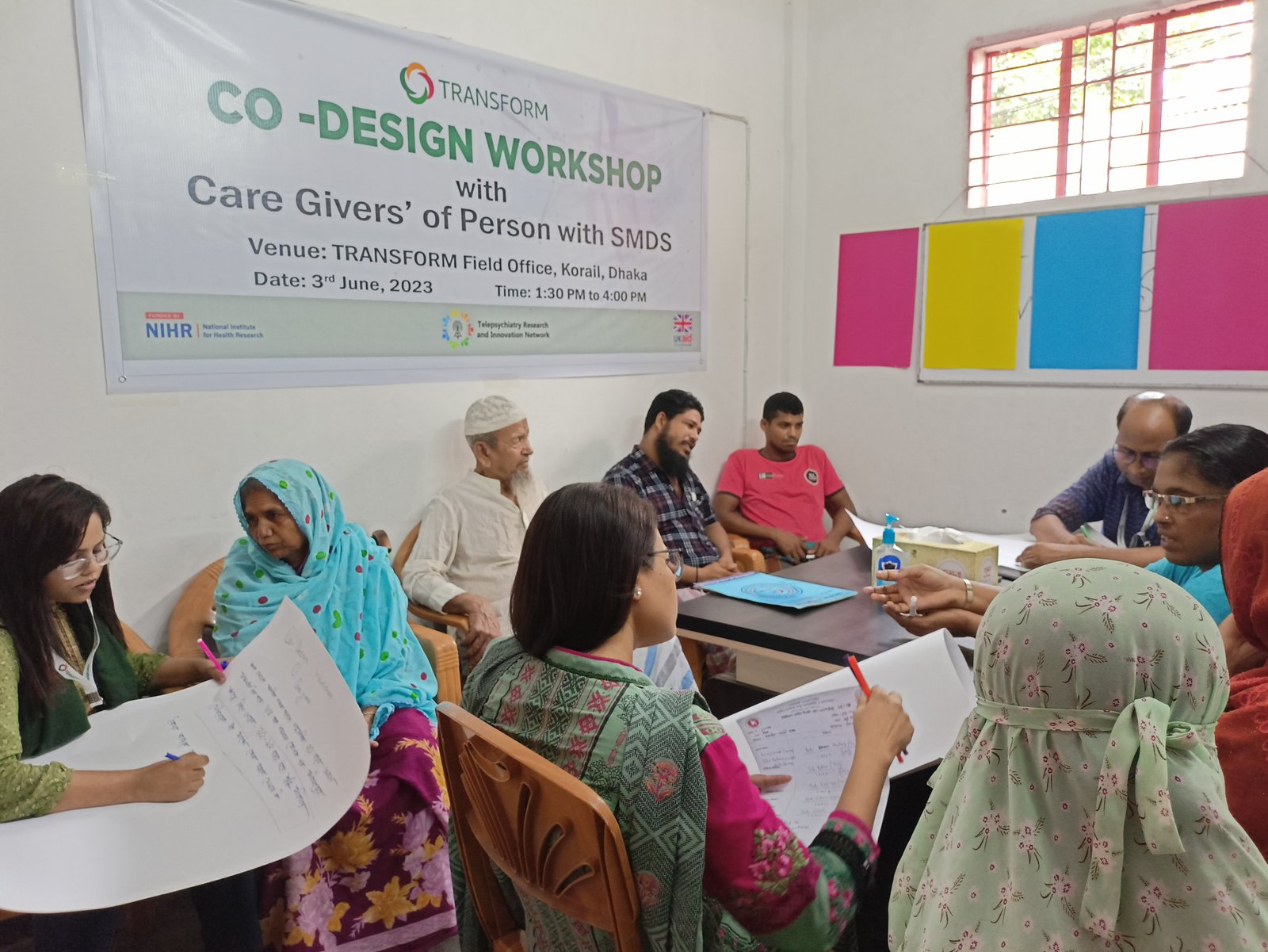
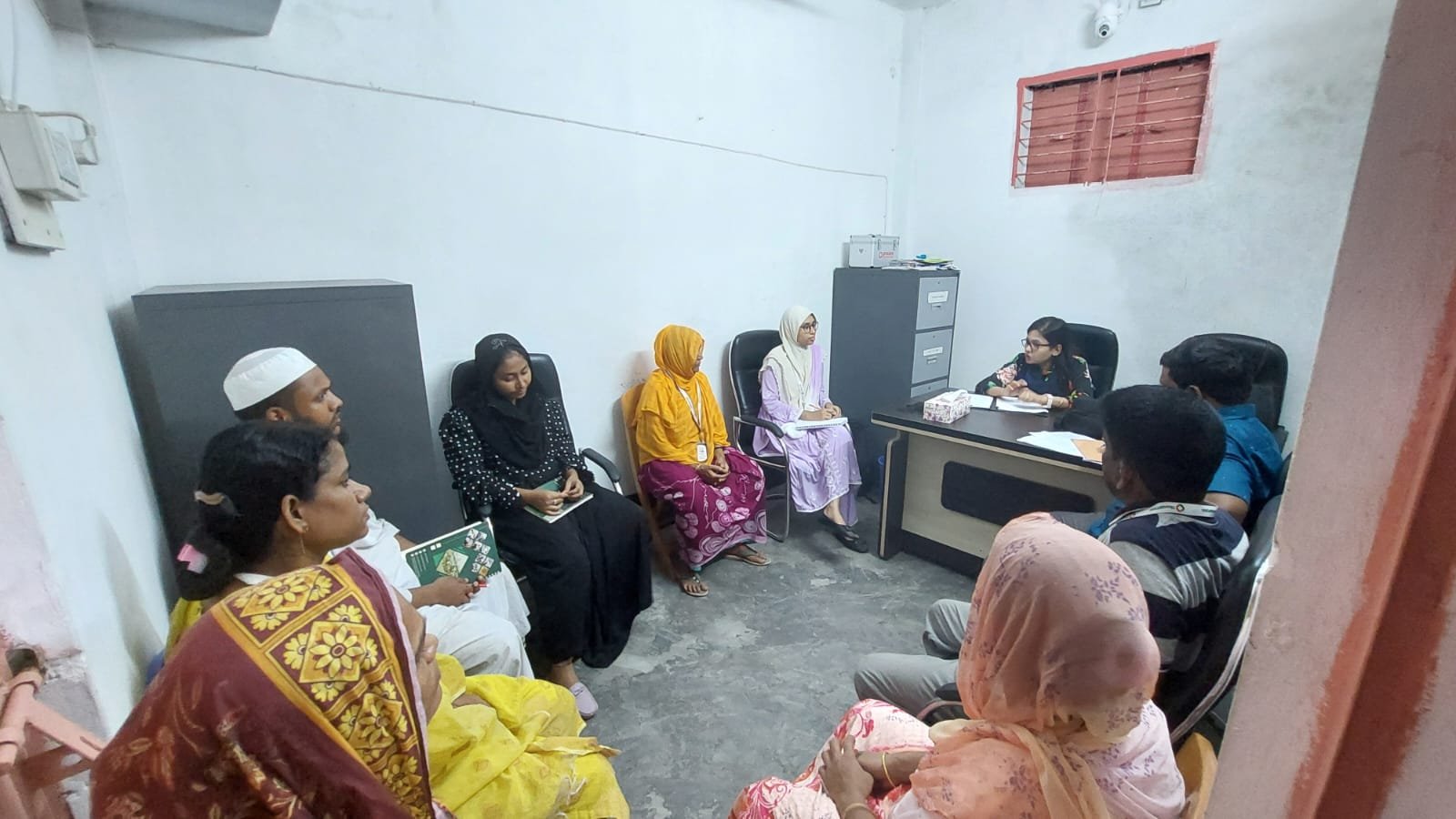
TRANSFORM didn't impose external solutions—it learned from the community first. Through multiple co-design workshops with traditional healers, medicine sellers, and community health workers, training materials were shaped by lived experiences and local wisdom.
Materials were piloted, refined, and validated by the community before full implementation. Feedback from mental health professionals ensured clinical accuracy while community input guaranteed cultural relevance and acceptability. This iterative, participatory approach created training that truly resonated.
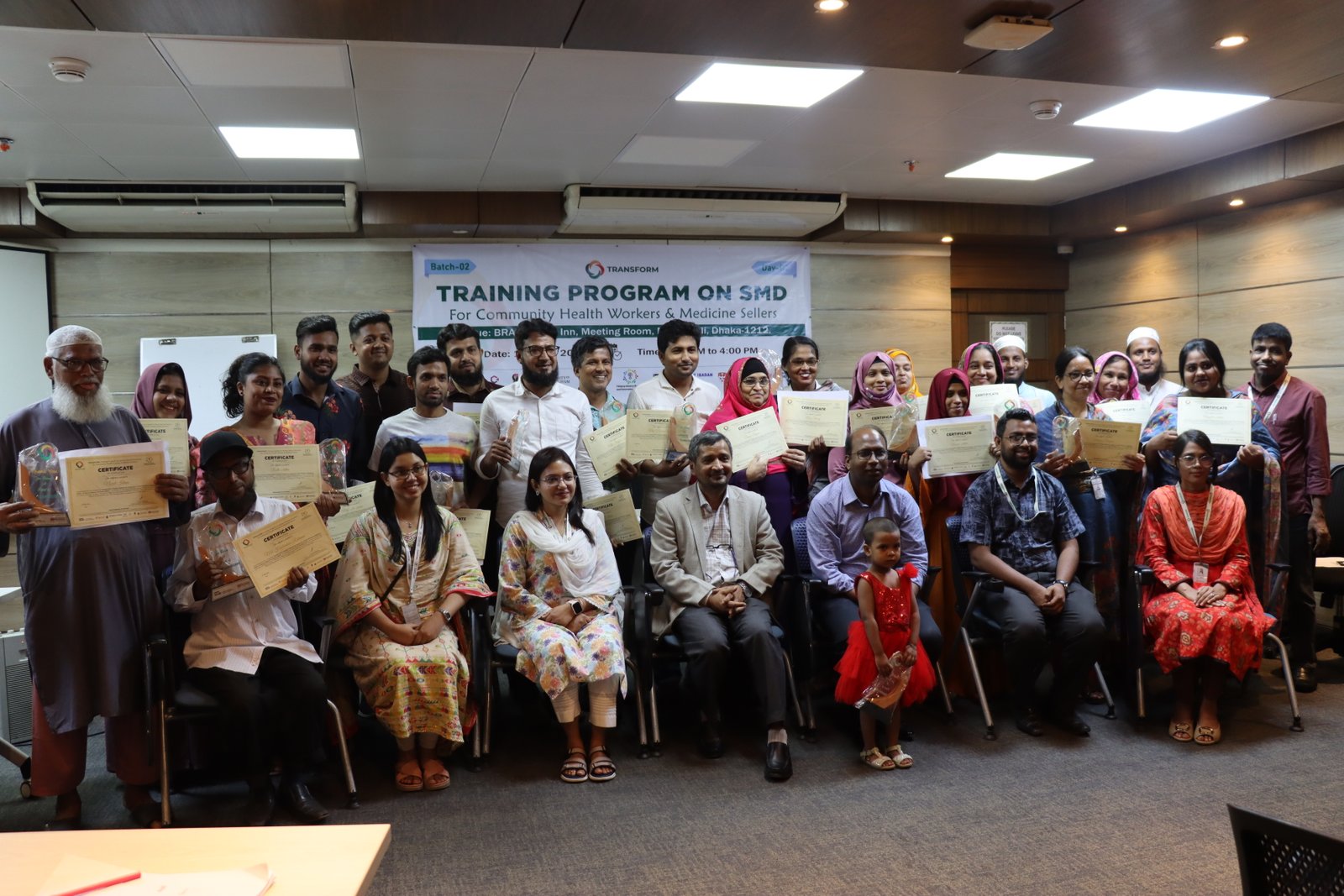
Across four batches, TRANSFORM equipped 153 community providers with the knowledge and skills to recognize serious mental disorders. Each group received tailored three-day training delivered one day per week, ensuring minimal disruption to their livelihoods while maximizing learning retention.
These trained providers now serve as the first line of mental health support in Korail—identifying symptoms, providing psychoeducation to families, and guiding individuals toward appropriate biomedical care at NIMH.
The most tangible evidence of TRANSFORM's success is the dramatic increase in referrals to the National Institute of Mental Health. What was once an inaccessible facility for Korail residents became a viable pathway to professional psychiatric care.
Trained providers created the critical link between community and clinical care—identifying individuals in need, building trust with families, facilitating referrals, and providing follow-up support. This sustainable referral system represents the first of its kind in Korail.
.jpg)
.jpg)
.jpg)
Mental health cannot remain invisible. TRANSFORM launched a comprehensive awareness campaign across 14 strategic locations in Korail, saturating the community with positive mental health messaging.
.jpg)
.jpg)
These materials didn't just inform—they normalized. By making mental health visible in everyday spaces, TRANSFORM reduced stigma at the community level and reinforced the messages delivered by trained providers.
The ultimate measure of TRANSFORM's impact isn't just numbers—it's the changed conversations happening in Korail homes and streets. Where mental health was once taboo, it's now discussed openly.
Families seek help earlier. Neighbors offer support instead of judgment. Community members recognize warning signs and know where to turn. This cultural shift—from silence to solidarity—represents the foundation for long-term mental health improvement in Korail.
"The training changed how I see my role. Now I can really help people."
— Trained Medicine Seller"We no longer hide our family member's condition. We got help."
— Community Member153+ trained community providers now connect slum residents to psychiatric care at NIMH—creating the first sustainable mental health pathway in Korail and demonstrating a replicable model for closing treatment gaps in urban informal settlements.
Explore Success Stories