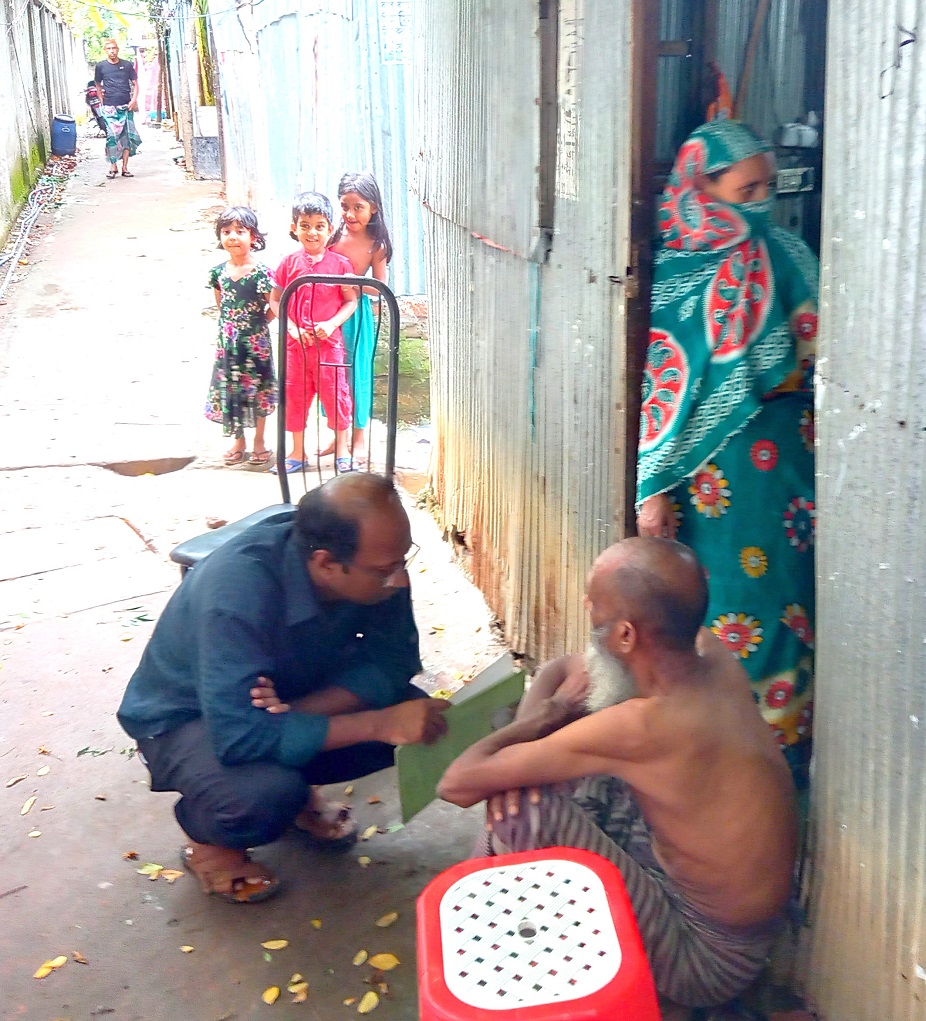
Worked alongside the community, sharing responsibilities and involving members in co-curricular activities to build trust
Co-developing training programs and resources with the community, ensuring every voice is heard
Training traditional and faith-based healers, medicine sellers, and community health workers to identify serious mental disorders
Trained participants refer patients to the National Institute of Mental Health (NIMH) for biomedical care.
From the very beginning, we started with the community—listening, learning, and building relationships rooted in mutual respect and understanding.
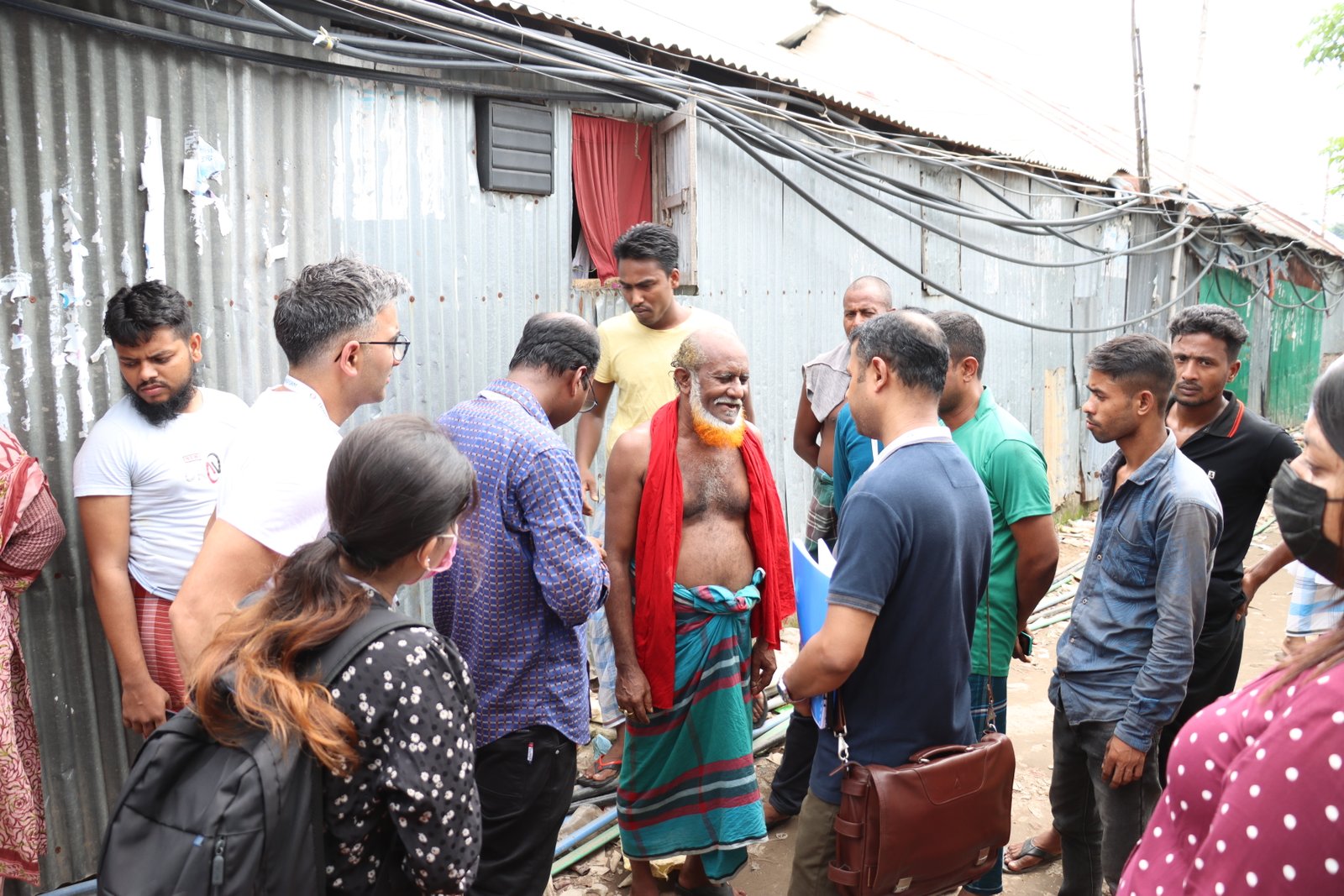
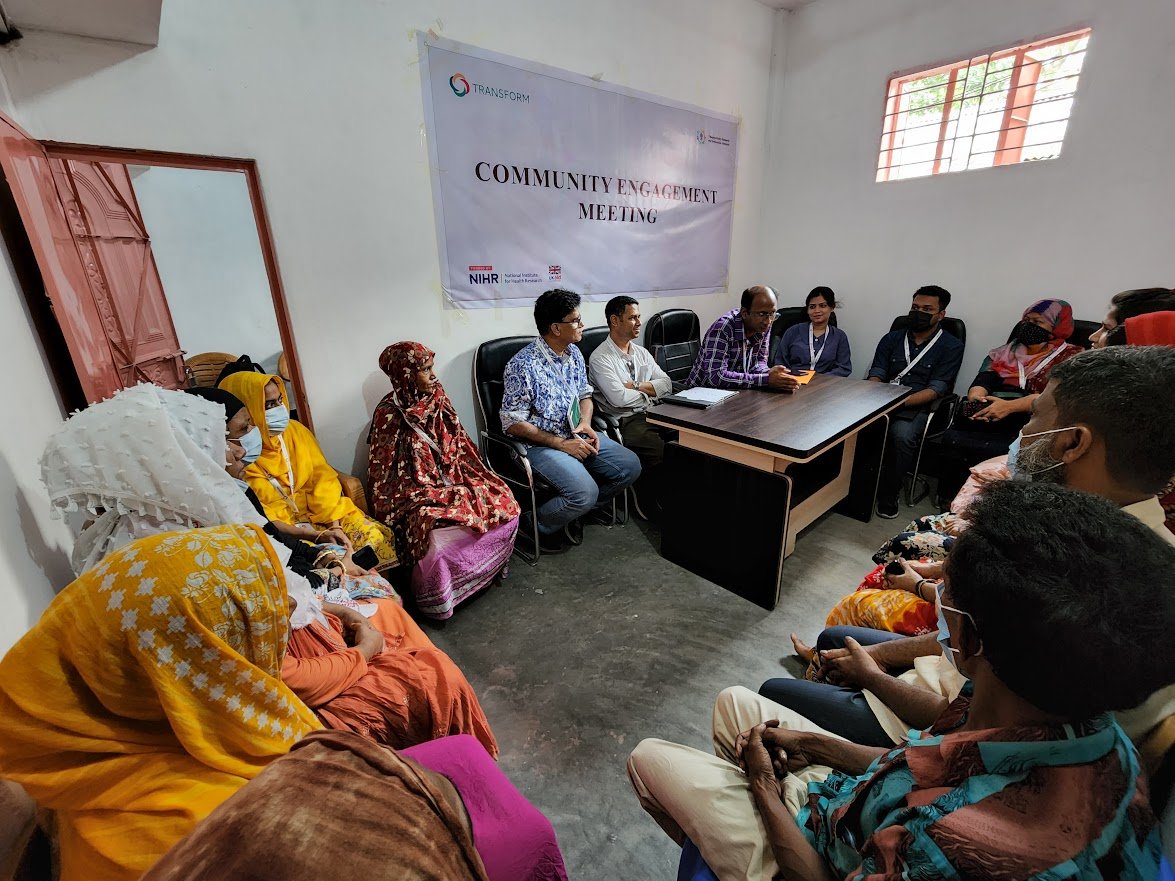
Through consistent presence and collaborative action, we established trusted relationships that continue to strengthen community-led mental health care.
By working hand-in-hand with Traditional and fatith based healers, Medicine sellere, community health worker and stakeholders, we fostered partnerships that ensured sustainable, co-created solutions for mental health challenges.
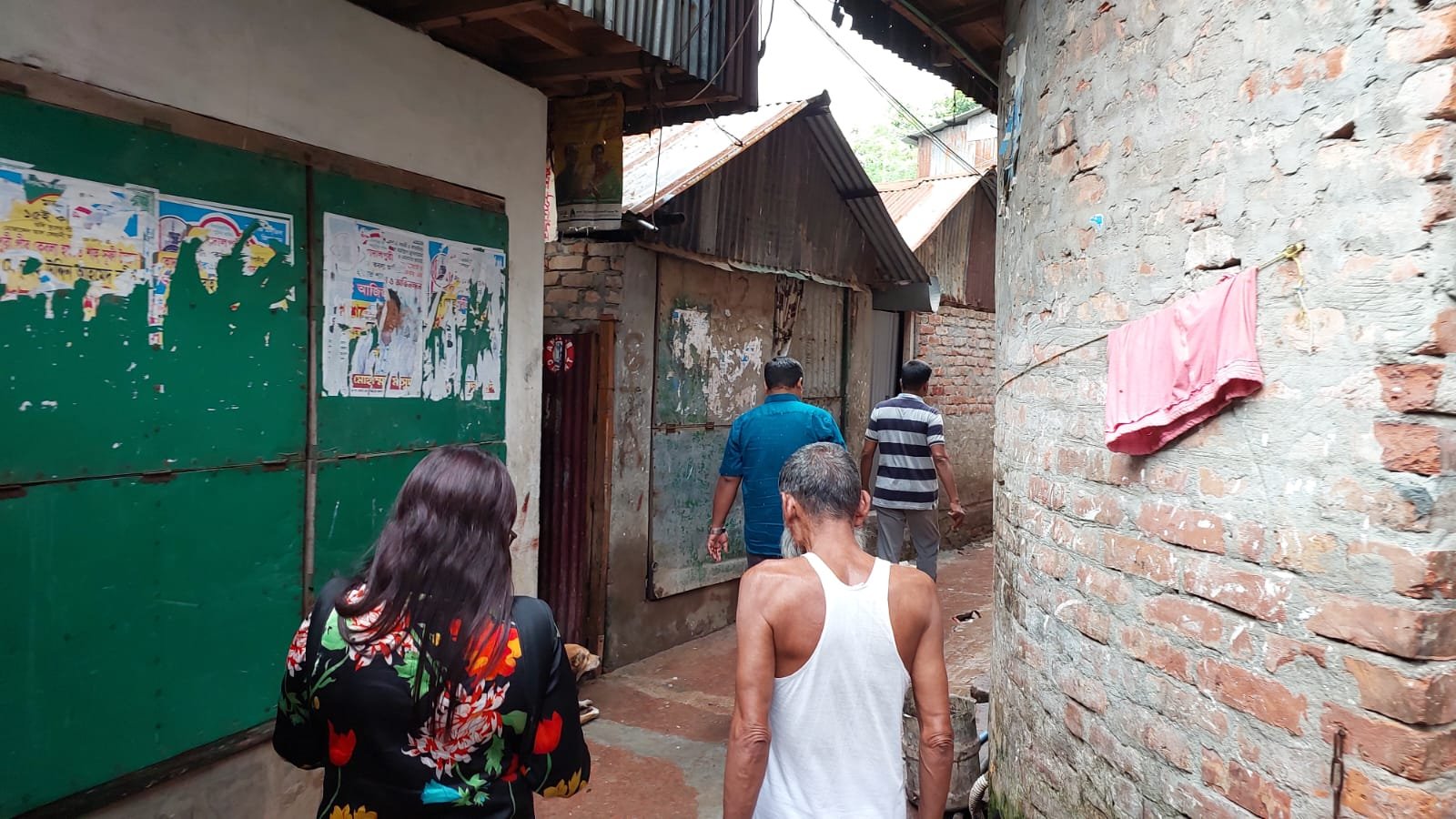
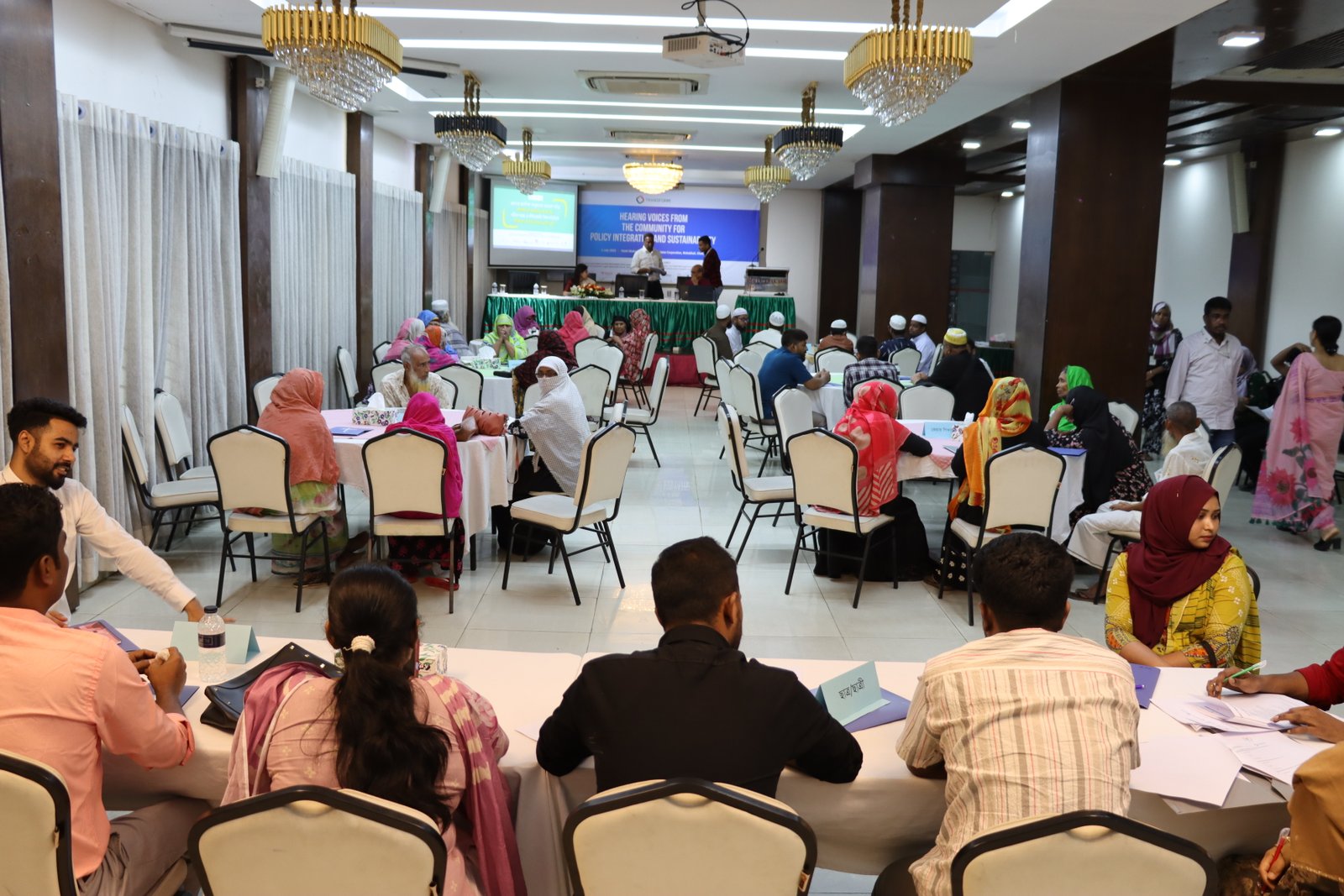
Community engagement wasn't a single event—it remained central throughout the project, ensuring every decision reflected the voices and needs of those we serve.
We didn't create in isolation—we listened, learned, and co-developed the training materials with community voices at the center. Their lived experience and suggestions shaped every page.
Five collaborative sessions where community voices shaped training content and delivery methods
.jpg)
.jpg)
.JPG)
.jpg)
Community members and researchers co-authored training materials ensuring relevance and accessibility
Integrated feedback from mental health professionals, policymakers, and community leaders
.jpg)
.JPG)
.JPG)
.JPG)
Tested and refined materials through community feedback for implementation
3 days long, 1 day per week training program for two groups
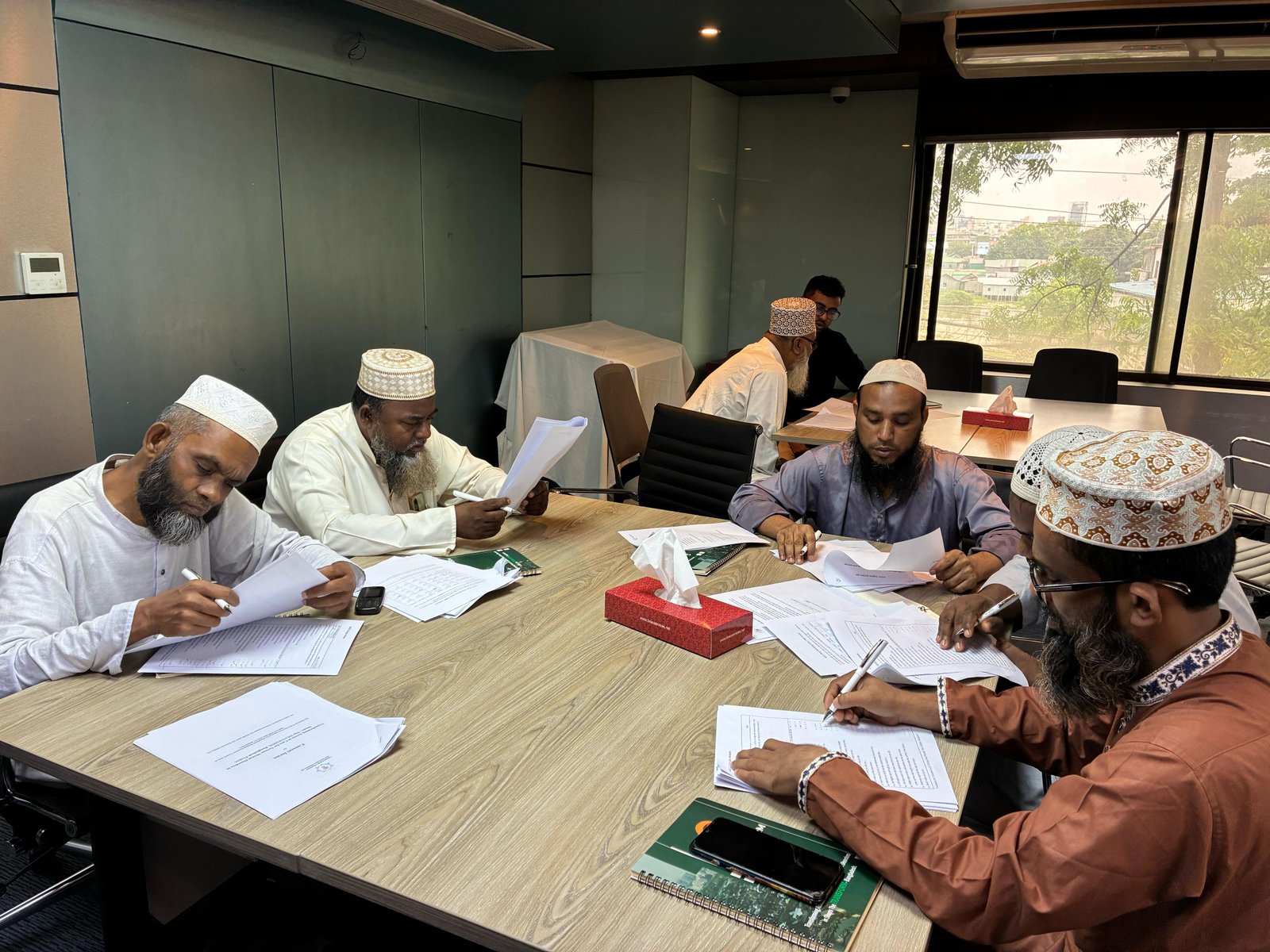
77 traditional and faith-based healers successfully completed training across four batches
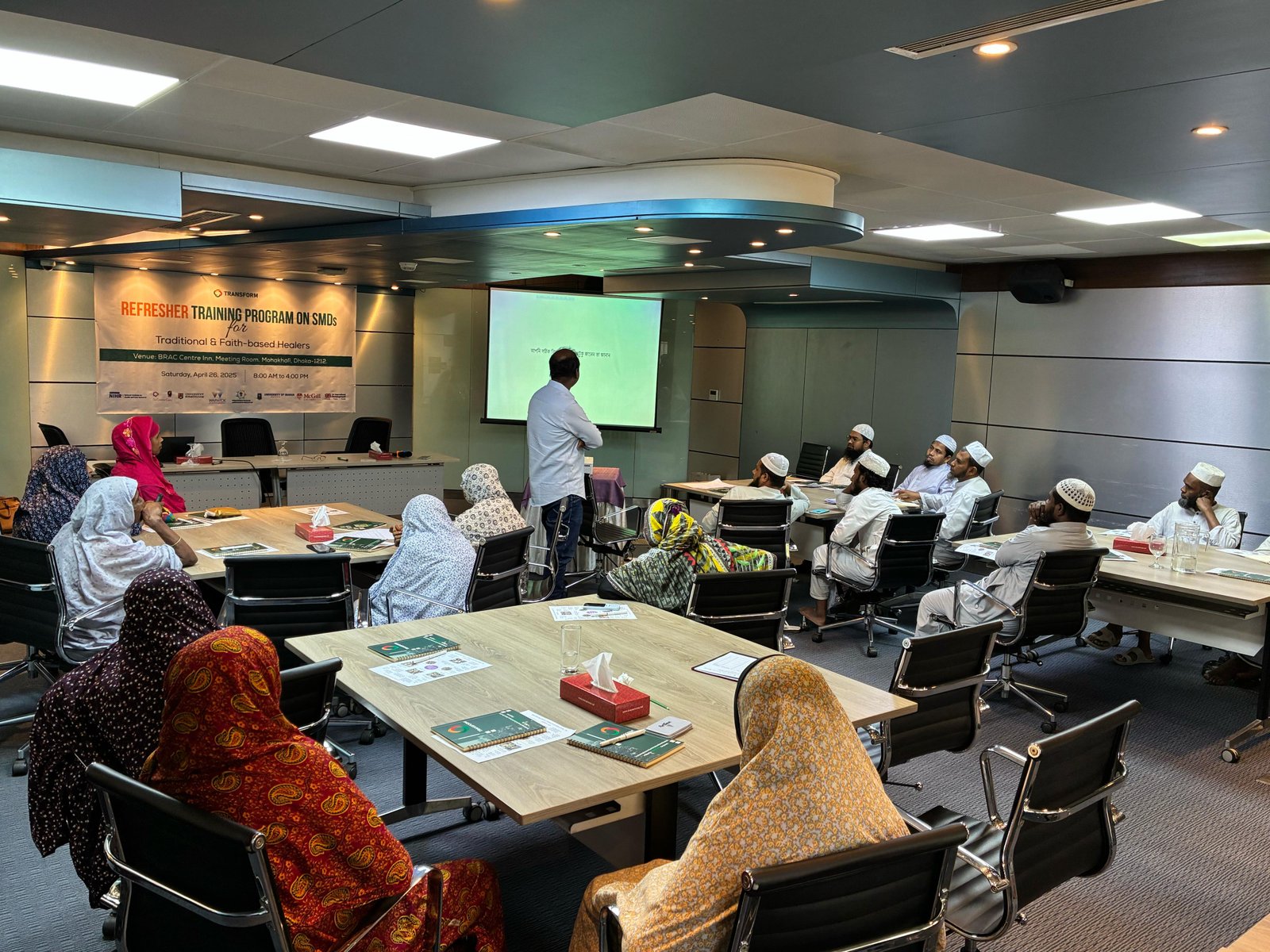
Gender distribution: 53 Male and 24 Female participants
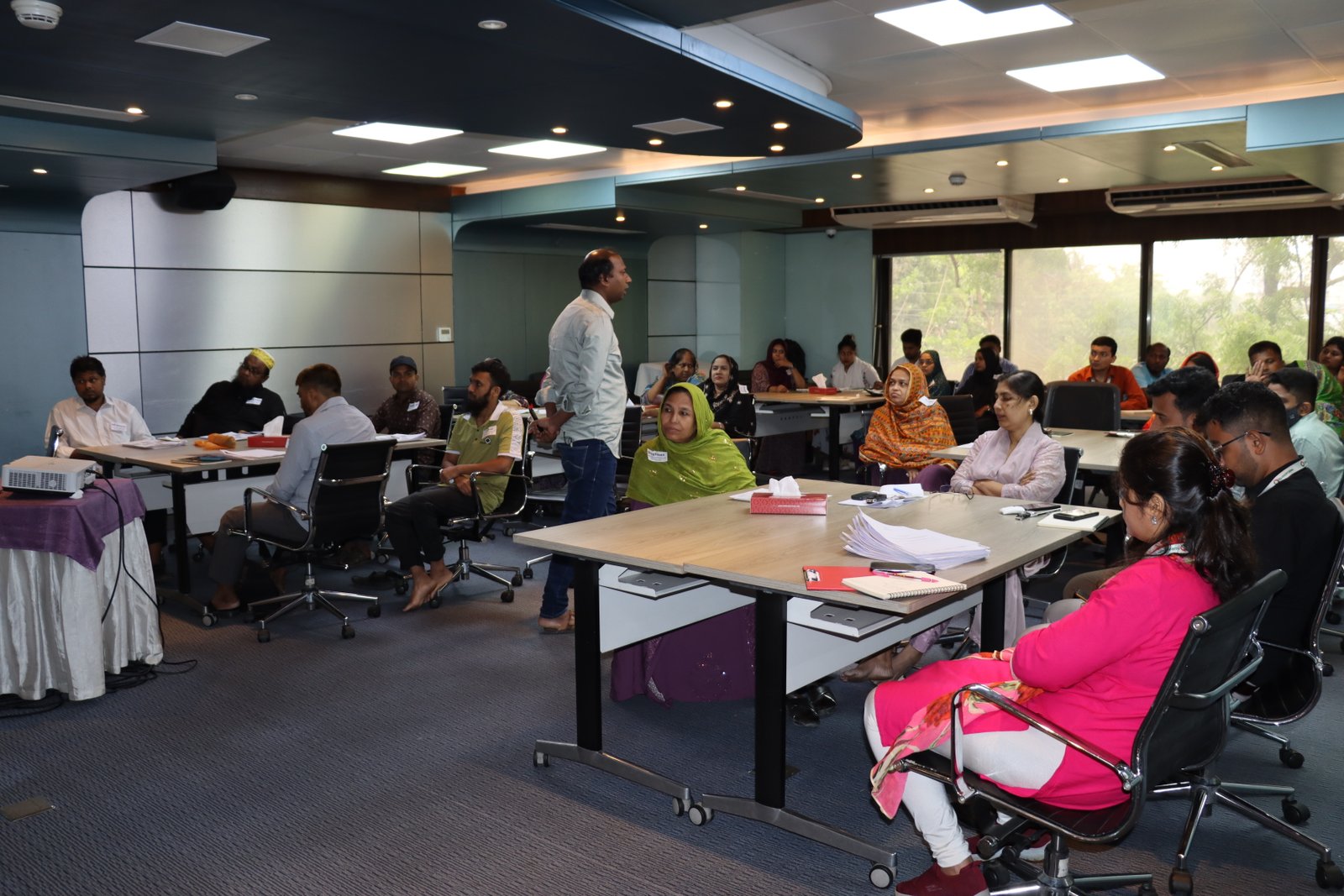
76 community health workers and medicine sellers successfully trained in four batches to identify serious mental disorders
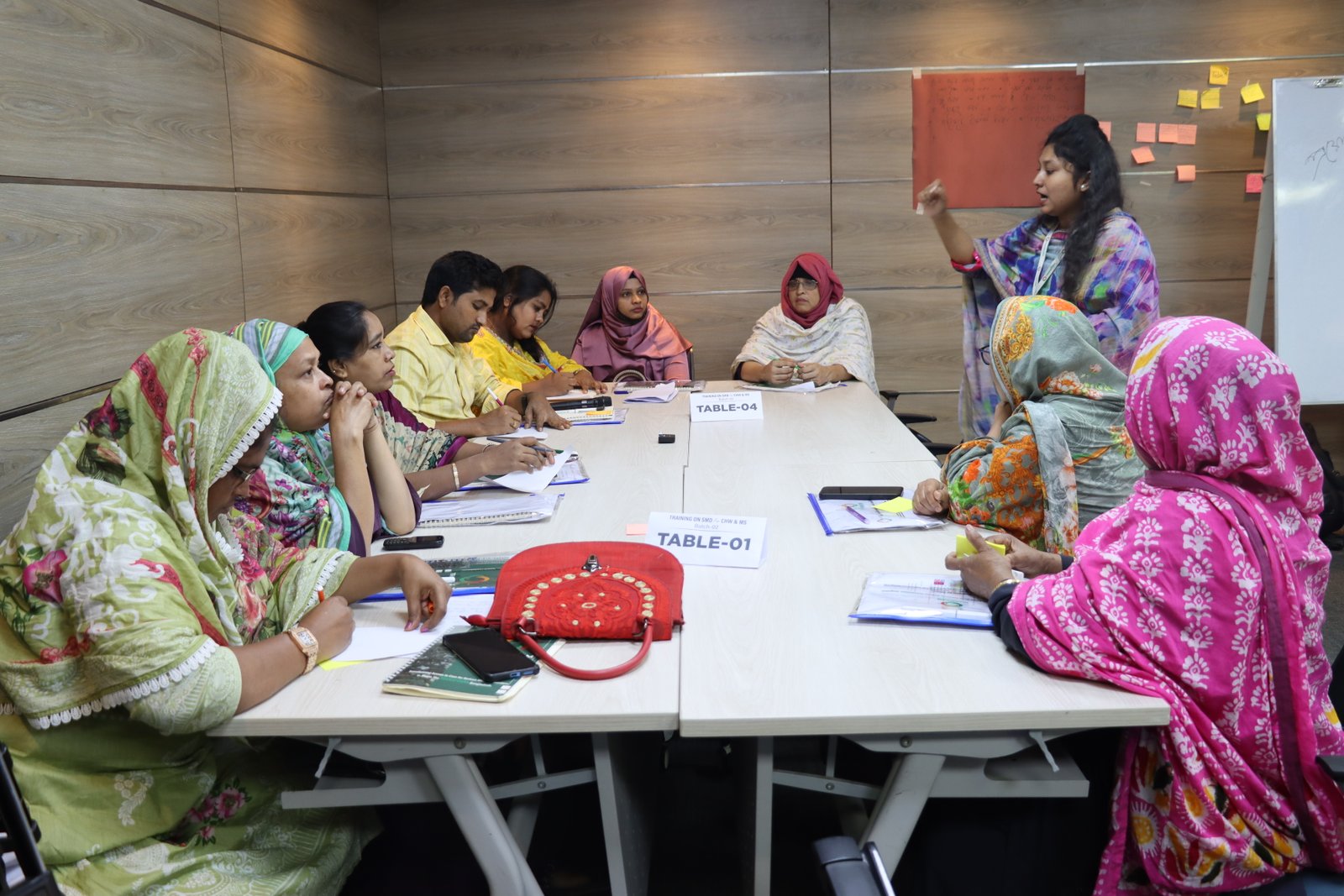
Gender distribution: 37 Male and 39 Female participants
In four batches, a total of 153 traditional healers, community health workers, and medicine sellers were trained. These providers now serve as the first line of mental health support in Korail.
Five time more patients from the slum were reffered to NIMH after the training
Fivefold increased
in seeking biomedical care
50+ Supportive Supervision visits conducted by the TRANSFORM team to ensure quality and continuity of care
.jpg)
.JPG)
This research was funded by the NIHR (NIHR200846) Transforming Access to Care for Serious Mental Disorders in Slums - the TRANSFORM Project using UK international development funding from the UK Government to support global health research. The views expressed in this publication are those of the author(s) and not necessarily those of the NIHR or the UK government.